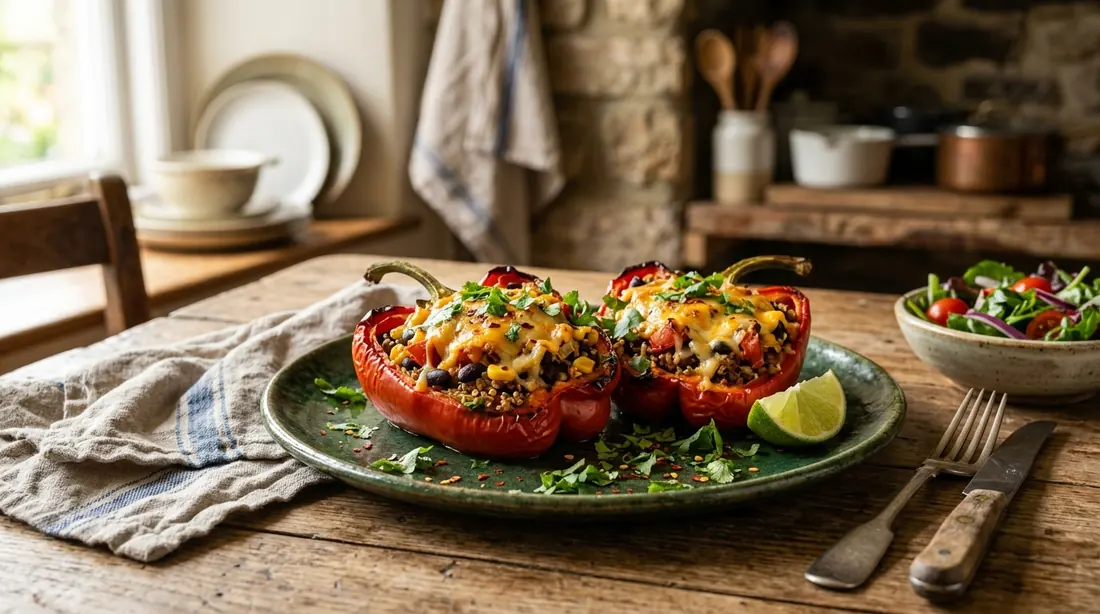
Flavorful Vegetarian Dinners for Meat-Free Mondays is a practical guide to making food that suits everyday life. Each idea is designed to turn ordinary ingredients into something worth sitting down for. You will find specific combinations, easy-to-follow methods and ways to adjust the results without losing what makes them enjoyable. Use the ideas as an invitation to cook, not a demand to prepare everything at once. Start with one that matches the ingredients, equipment and time you have. As you work through the options, pay attention to texture, seasoning and sensible food handling; those details matter more than elaborate presentation.
Build flavor without overcomplicating dinner for flavorful vegetarian dinners
Satisfying lunches and dinners usually start with a clear technique: roasting to concentrate sweetness, simmering for tenderness or sautéing for quick browning. Match that technique to the ingredient instead of making every dish the same way. Think of creamy mushroom stroganoff and sweet potato black bean tacos as two different starting points within this topic.
Choose sides and finishing touches that balance the main dish. A squeeze of citrus, something crunchy or a handful of herbs can make a familiar supper feel complete without another elaborate recipe. For instance, spinach ricotta stuffed shells gives another practical direction to explore.
Creamy mushroom stroganoff
One practical way to approach creamy mushroom stroganoff is straightforward: brown mushrooms well, then combine with paprika, stock and a little sour cream. The dish is most appealing when each component is cooked for the time it actually needs.
With creamy mushroom stroganoff, a useful habit is to prepare deliberately. The best texture usually comes from timing. Start the ingredient that takes longest, then add delicate or already cooked elements only when they need warming through. Check seasoning near the end and add lemon, herbs or another fresh element if the flavors seem heavy.
Sweet potato black bean tacos
Put sweet potato black bean tacos on the menu when you want a clear, manageable process: roast cubes of sweet potato with chili powder and serve with black beans and lime slaw. Little adjustments in moisture and seasoning make a surprisingly noticeable difference. As flavors develop, taste before adding more seasoning. The final adjustment may be lemon, herbs or a splash of cooking liquid rather than another spoon of salt.
With sweet potato black bean tacos, a useful habit is to prepare deliberately. For leftovers, portion the food into shallow containers, cool and refrigerate promptly, and label what you plan to freeze. Reheat only as appropriate for the ingredients. Dry washed greens well, keep wet dressing apart until serving, and add the most delicate leaves at the last moment.
Spinach ricotta stuffed shells
The appeal of spinach ricotta stuffed shells is in the combination of flavors and texture: fill cooked pasta shells with ricotta and spinach and bake in tomato sauce. Think of the method as a foundation you can adapt, not a rigid formula.
With spinach ricotta stuffed shells, a useful habit is to prepare deliberately. Before you begin, read the short method once and gather the ingredients on the counter. That tiny bit of preparation makes it easier to cook confidently and notice what the pan needs. Before draining pasta, save a mug of cooking water; its starch often helps sauce coat the noodles more evenly.
Chickpea cauliflower curry
For a dependable version of chickpea cauliflower curry, follow this sequence: simmer cauliflower and chickpeas in tomatoes, coconut milk and warm spices. It is worth preparing the accompaniments before the main element is ready. As flavors develop, taste before adding more seasoning. The final adjustment may be lemon, herbs or a splash of cooking liquid rather than another spoon of salt.
With chickpea cauliflower curry, a useful habit is to prepare deliberately. A sensible shortcut is the one that saves work without losing the heart of the dish. Frozen vegetables, cooked beans and shop-bought pantry staples can all play a useful role. Check seasoning near the end and add lemon, herbs or another fresh element if the flavors seem heavy.
Aubergine tomato bake
For aubergine tomato bake, the key is to keep the method clear: roast aubergine slices, layer with tomato sauce and cheese and bake until bubbling. The idea can scale up for company or down for a single serving with modest changes.
With aubergine tomato bake, a useful habit is to prepare deliberately. Choose a pan or bowl that gives you room to mix without spilling. Crowding makes it harder to judge moisture and texture, especially when adding several ingredients. Check the center near the end of the suggested baking window; oven temperatures and pan materials can change the timing.
Vegetable lentil shepherd’s pie
There is a satisfying simplicity to vegetable lentil shepherd’s pie. Start here: cook lentils with mushrooms and vegetables and top with fluffy mash. It also provides a useful way to make familiar ingredients feel fresh. As flavors develop, taste before adding more seasoning. The final adjustment may be lemon, herbs or a splash of cooking liquid rather than another spoon of salt.
With vegetable lentil shepherd’s pie, a useful habit is to prepare deliberately. Use the quantities as a guide, especially with vegetables that vary in size or ripeness. Taste midway, then decide whether the dish wants a little more salt, acidity or sweetness. Start with less liquid than you think you may need, then thin the pot gradually once the vegetables and pulses are tender.
Halloumi and pepper skewers
One practical way to approach halloumi and pepper skewers is straightforward: grill halloumi with colored peppers and add a fresh herby couscous salad. What makes this useful is its straightforward sequence rather than any special equipment.
With halloumi and pepper skewers, a useful habit is to prepare deliberately. Build contrast deliberately. A creamy base benefits from a crisp garnish, a rich filling from lemon or vinegar, and a mild dish from a fresh herb or spice. Dry washed greens well, keep wet dressing apart until serving, and add the most delicate leaves at the last moment.
Sesame tofu stir-fry
Put sesame tofu stir-fry on the menu when you want a clear, manageable process: press and cube firm tofu, brown it before tossing with broccoli and sesame sauce. It is an especially forgiving choice when the ingredients vary a little from week to week. As flavors develop, taste before adding more seasoning. The final adjustment may be lemon, herbs or a splash of cooking liquid rather than another spoon of salt.
With sesame tofu stir-fry, a useful habit is to prepare deliberately. If you are cooking for several people, prepare the base first and offer fresh toppings at the table. That lets diners adjust acidity, crunch and heat without making separate dishes. Check seasoning near the end and add lemon, herbs or another fresh element if the flavors seem heavy.
Broccoli lemon pasta
The appeal of broccoli lemon pasta is in the combination of flavors and texture: toss tender broccoli with pasta, garlic oil, lemon and parmesan or nutritional yeast. The central skill is judging texture as you work, rather than following the clock without looking.
With broccoli lemon pasta, a useful habit is to prepare deliberately. Think about serving temperature early: some foods are best hot from the pan, while others benefit from a short rest that settles the texture and makes portions easier to arrange. Before draining pasta, save a mug of cooking water; its starch often helps sauce coat the noodles more evenly.
Stuffed courgette boats
For a dependable version of stuffed courgette boats, follow this sequence: fill scooped courgette halves with quinoa, tomato and herbs, then bake. You can make the result feel different with one considered finishing touch. As flavors develop, taste before adding more seasoning. The final adjustment may be lemon, herbs or a splash of cooking liquid rather than another spoon of salt.
With stuffed courgette boats, a useful habit is to prepare deliberately. If an ingredient is unavailable, swap it for one with a similar job: leafy greens for leafy greens, a tender bean for another bean, or a comparable seasonal fruit. Check the center near the end of the suggested baking window; oven temperatures and pan materials can change the timing.
Beetroot and chickpea burgers
For beetroot and chickpea burgers, the key is to keep the method clear: mash beetroot, chickpeas and oats into patties and sear carefully. It rewards keeping the most flavorful ingredients clear and uncomplicated.
With beetroot and chickpea burgers, a useful habit is to prepare deliberately. When a recipe calls for browning, give the ingredients enough space and let them sit briefly before stirring. Color creates depth, but turning the heat too high can burn aromatics. Allow time for grains or seeds to hydrate, then stir and adjust the liquid before deciding whether the texture is right.
Roasted vegetable grain bowl
There is a satisfying simplicity to roasted vegetable grain bowl. Start here: pair mixed roasted vegetables with barley, spinach and lemon tahini sauce. You do not need an elaborate setup; a reliable pan, board and a few basic utensils are enough. As flavors develop, taste before adding more seasoning. The final adjustment may be lemon, herbs or a splash of cooking liquid rather than another spoon of salt.
With roasted vegetable grain bowl, a useful habit is to prepare deliberately. Keep the first attempt straightforward and note how long it takes in your kitchen. Once you know the core method, changing the vegetables or seasoning is much easier. Avoid crowding the tray because trapped steam prevents the edges from browning; use a second tray for a larger batch.
Bring more vegetables to the table
The useful thing about flavorful vegetarian dinners for meat-free mondays is not that you must try all the ideas at once. Choose the creamy mushroom stroganoff or sweet potato black bean tacos that fits your routine, make it once as written, and then change a detail you understand. That kind of repetition builds confidence while keeping food interesting. Consider noting the adjustments that worked, particularly cooking times, moisture and the final balance of flavors.
For another angle on the same part of the kitchen, explore quick pasta recipes for delicious weeknight meals. It offers a natural next step without requiring a completely different shopping list. Above all, keep room for taste, curiosity and flexibility: the most useful recipe is the one you will genuinely enjoy preparing and eating.
Questions to consider when exploring flavorful vegetarian dinners for meat-free mondays
How can I prevent food from tasting bland?
Build flavor in stages: season early enough for ingredients to absorb it, taste again near the end, then consider an acidic or fresh finishing ingredient. Cooking vegetables until properly browned also helps. One useful example here is beetroot and chickpea burgers, which you can adjust using the principles above.
Which components are good for making ahead?
Cooked grains, sauces, roasted vegetables and some proteins can be prepared beforehand if cooled and stored safely. Keep crisp garnishes and dressed greens separate until serving. One useful example here is roasted vegetable grain bowl, which you can adjust using the principles above.
How do I adjust these dishes for my family?
Serve the common base with toppings on the table so people can choose extra spice, herbs, cheese or other accompaniments. Keep food allergies and safe cooking requirements in mind. One useful example here is creamy mushroom stroganoff, which you can adjust using the principles above.