Simple One-Pot Recipes for Stress-Free Cooking is a practical guide to making food that suits everyday life. The practical promise of this collection is dinner that feels achievable even when time, money or energy are limited. You will find specific combinations, easy-to-follow methods and ways to adjust the results without losing what makes them enjoyable. Use the ideas as an invitation to cook, not a demand to prepare everything at once. Start with one that matches the ingredients, equipment and time you have. As you work through the options, pay attention to texture, seasoning and sensible food handling; those details matter more than elaborate presentation.
Planning an approachable meal for simple one-pot recipes
Everyday meals work best when their method is easy to remember, the ingredients can be found locally, and the washing-up stays manageable. The suggestions here are starting points rather than inflexible instructions. Use the vegetables, beans and grains already in your kitchen, taste as you go, and adjust seasoning for the people at your table. Think of creamy tomato gnocchi pot and one-pan lemon chicken rice as two different starting points within this topic.
Simple cooking is about removing avoidable decisions, not removing flavor. A useful plan combines one reliable base, enough vegetables to make the plate interesting and a sauce or finishing ingredient that adds contrast. For instance, smoky three-bean chili gives another practical direction to explore.
Creamy tomato gnocchi pot
One practical way to approach creamy tomato gnocchi pot is straightforward: simmer shelf-stable gnocchi directly in tomato sauce and a little water, then add baby spinach and soft cheese. The dish is most appealing when each component is cooked for the time it actually needs.
With creamy tomato gnocchi pot, a useful habit is to prepare deliberately. The best texture usually comes from timing. Start the ingredient that takes longest, then add delicate or already cooked elements only when they need warming through. Before draining pasta, save a mug of cooking water; its starch often helps sauce coat the noodles more evenly.
One-pan lemon chicken rice
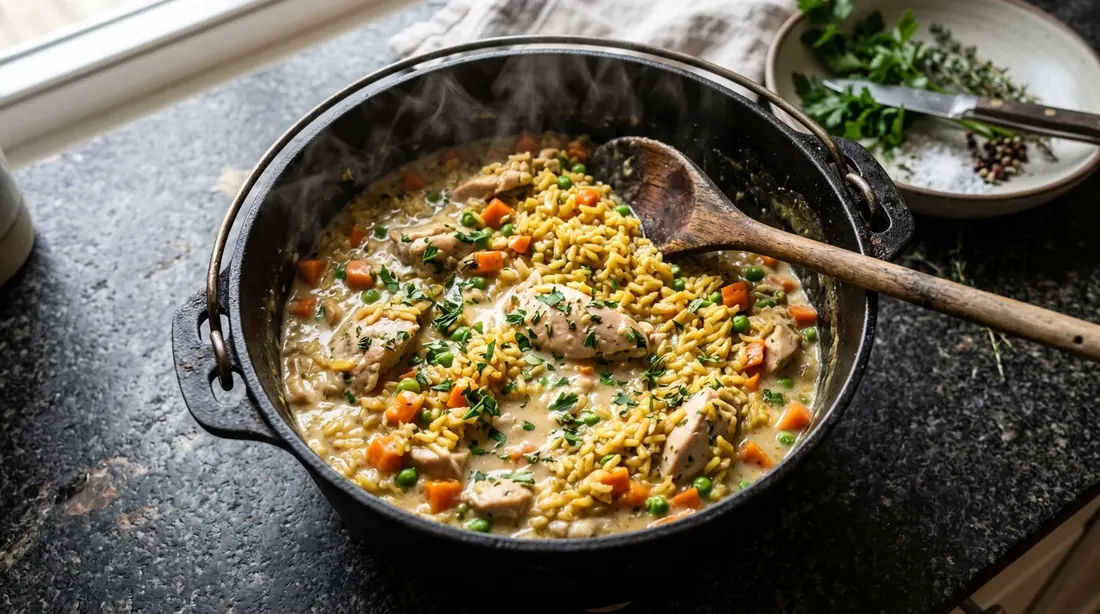
Put one-pan lemon chicken rice on the menu when you want a clear, manageable process: brown chicken pieces, stir rice into the pan with stock and lemon and cook covered until both are ready. Little adjustments in moisture and seasoning make a surprisingly noticeable difference.
With one-pan lemon chicken rice, a useful habit is to prepare deliberately. For leftovers, portion the food into shallow containers, cool and refrigerate promptly, and label what you plan to freeze. Reheat only as appropriate for the ingredients. For poultry, rely on safe internal temperature rather than color alone; avoid returning utensils used on raw meat to ready-to-eat food.
Smoky three-bean chili
The appeal of smoky three-bean chili is in the combination of flavors and texture: cook onions and peppers with smoked paprika, then simmer mixed canned beans and tomatoes into a spoonable chili. Think of the method as a foundation you can adapt, not a rigid formula.
With smoky three-bean chili, a useful habit is to prepare deliberately. Before you begin, read the short method once and gather the ingredients on the counter. That tiny bit of preparation makes it easier to cook confidently and notice what the pan needs. Start with less liquid than you think you may need, then thin the pot gradually once the vegetables and pulses are tender.
Mushroom and pea risotto-style rice
For a dependable version of mushroom and pea risotto-style rice, follow this sequence: add warm stock gradually to rice and sautéed mushrooms, then finish with peas and parmesan. It is worth preparing the accompaniments before the main element is ready. The main advantage is adaptability: a single base can become different meals as you change the vegetables, protein or sauce. Write down the combination that your household enjoys.
With mushroom and pea risotto-style rice, a useful habit is to prepare deliberately. A sensible shortcut is the one that saves work without losing the heart of the dish. Frozen vegetables, cooked beans and shop-bought pantry staples can all play a useful role. Cooked rice needs particular care: cool it promptly, refrigerate without delay, and do not leave a large warm pot sitting out.
Coconut chickpea curry
For coconut chickpea curry, the key is to keep the method clear: simmer chickpeas, chopped vegetables, curry paste and coconut milk until the vegetables are just tender. The idea can scale up for company or down for a single serving with modest changes.
With coconut chickpea curry, a useful habit is to prepare deliberately. Choose a pan or bowl that gives you room to mix without spilling. Crowding makes it harder to judge moisture and texture, especially when adding several ingredients. Avoid crowding the tray because trapped steam prevents the edges from browning; use a second tray for a larger batch.
Sausage and vegetable pasta
There is a satisfying simplicity to sausage and vegetable pasta. Start here: brown sliced sausages, add canned tomatoes and pasta with enough water to cook everything together. It also provides a useful way to make familiar ingredients feel fresh. The main advantage is adaptability: a single base can become different meals as you change the vegetables, protein or sauce. Write down the combination that your household enjoys.
With sausage and vegetable pasta, a useful habit is to prepare deliberately. Use the quantities as a guide, especially with vegetables that vary in size or ripeness. Taste midway, then decide whether the dish wants a little more salt, acidity or sweetness. Before draining pasta, save a mug of cooking water; its starch often helps sauce coat the noodles more evenly.
Lemony orzo with greens
One practical way to approach lemony orzo with greens is straightforward: cook orzo in seasoned broth with courgette, add kale near the end and stir in lemon juice. What makes this useful is its straightforward sequence rather than any special equipment.
With lemony orzo with greens, a useful habit is to prepare deliberately. Build contrast deliberately. A creamy base benefits from a crisp garnish, a rich filling from lemon or vinegar, and a mild dish from a fresh herb or spice. Before draining pasta, save a mug of cooking water; its starch often helps sauce coat the noodles more evenly.
One-pot lentil bolognese
Put one-pot lentil bolognese on the menu when you want a clear, manageable process: use red lentils in tomato sauce with onion and celery, letting them soften while spaghetti cooks separately only if necessary. It is an especially forgiving choice when the ingredients vary a little from week to week. The main advantage is adaptability: a single base can become different meals as you change the vegetables, protein or sauce. Write down the combination that your household enjoys.
With one-pot lentil bolognese, a useful habit is to prepare deliberately. If you are cooking for several people, prepare the base first and offer fresh toppings at the table. That lets diners adjust acidity, crunch and heat without making separate dishes. Before draining pasta, save a mug of cooking water; its starch often helps sauce coat the noodles more evenly.
Sheet-pan fajita bowls
The appeal of sheet-pan fajita bowls is in the combination of flavors and texture: roast peppers, onions and seasoned chicken on one tray, then serve with microwave rice and yogurt. The central skill is judging texture as you work, rather than following the clock without looking.
With sheet-pan fajita bowls, a useful habit is to prepare deliberately. Think about serving temperature early: some foods are best hot from the pan, while others benefit from a short rest that settles the texture and makes portions easier to arrange. For poultry, rely on safe internal temperature rather than color alone; avoid returning utensils used on raw meat to ready-to-eat food.
Warming potato leek soup
For a dependable version of warming potato leek soup, follow this sequence: sweat leek gently, simmer with diced potato and stock, and blend only part for a balanced texture. You can make the result feel different with one considered finishing touch. The main advantage is adaptability: a single base can become different meals as you change the vegetables, protein or sauce. Write down the combination that your household enjoys.
With warming potato leek soup, a useful habit is to prepare deliberately. If an ingredient is unavailable, swap it for one with a similar job: leafy greens for leafy greens, a tender bean for another bean, or a comparable seasonal fruit. Start with less liquid than you think you may need, then thin the pot gradually once the vegetables and pulses are tender.
One-pot baked beans on toast
For one-pot baked beans on toast, the key is to keep the method clear: build a simple sauce with tomato, mustard and a little molasses before warming canned beans. It rewards keeping the most flavorful ingredients clear and uncomplicated.
With one-pot baked beans on toast, a useful habit is to prepare deliberately. When a recipe calls for browning, give the ingredients enough space and let them sit briefly before stirring. Color creates depth, but turning the heat too high can burn aromatics. Check the center near the end of the suggested baking window; oven temperatures and pan materials can change the timing.
Skillet shakshuka
There is a satisfying simplicity to skillet shakshuka. Start here: poach eggs in a seasoned tomato and pepper sauce and offer toasted bread to scoop up the sauce. You do not need an elaborate setup; a reliable pan, board and a few basic utensils are enough. The main advantage is adaptability: a single base can become different meals as you change the vegetables, protein or sauce. Write down the combination that your household enjoys.
With skillet shakshuka, a useful habit is to prepare deliberately. Keep the first attempt straightforward and note how long it takes in your kitchen. Once you know the core method, changing the vegetables or seasoning is much easier. Use freshly handled eggs and cook to a doneness appropriate for everyone eating, especially people who need extra food-safety precautions.
Make one pot part of your routine
The useful thing about simple one-pot recipes for stress-free cooking is not that you must try all the ideas at once. Choose the creamy tomato gnocchi pot or one-pan lemon chicken rice that fits your routine, make it once as written, and then change a detail you understand. That kind of repetition builds confidence while keeping food interesting. Consider noting the adjustments that worked, particularly cooking times, moisture and the final balance of flavors.
For another angle on the same part of the kitchen, explore budget-friendly meals that taste great every day. It offers a natural next step without requiring a completely different shopping list. Above all, keep room for taste, curiosity and flexibility: the most useful recipe is the one you will genuinely enjoy preparing and eating.
Questions to consider when exploring simple one-pot recipes for stress-free cooking
How can I make the week less stressful?
Choose two dependable dinners, prepare a few ingredients once, and keep an uncomplicated pantry meal available for unexpectedly busy nights. A workable routine saves more time than a long, ambitious menu. One useful example here is one-pot baked beans on toast, which you can adjust using the principles above.
Can I replace ingredients I cannot find?
Yes, when the replacement has a similar cooking role. Use one firm vegetable instead of another, cooked pulses for a different pulse, or a preferred grain. Taste after switching because salt and moisture levels can change. One useful example here is skillet shakshuka, which you can adjust using the principles above.
What is the easiest way to handle leftovers?
Cool cooked food promptly, portion it into covered containers, and follow current food-safety guidance for refrigerating or freezing. Reheat thoroughly where appropriate and add fresh herbs or a crunchy garnish after warming. One useful example here is creamy tomato gnocchi pot, which you can adjust using the principles above.