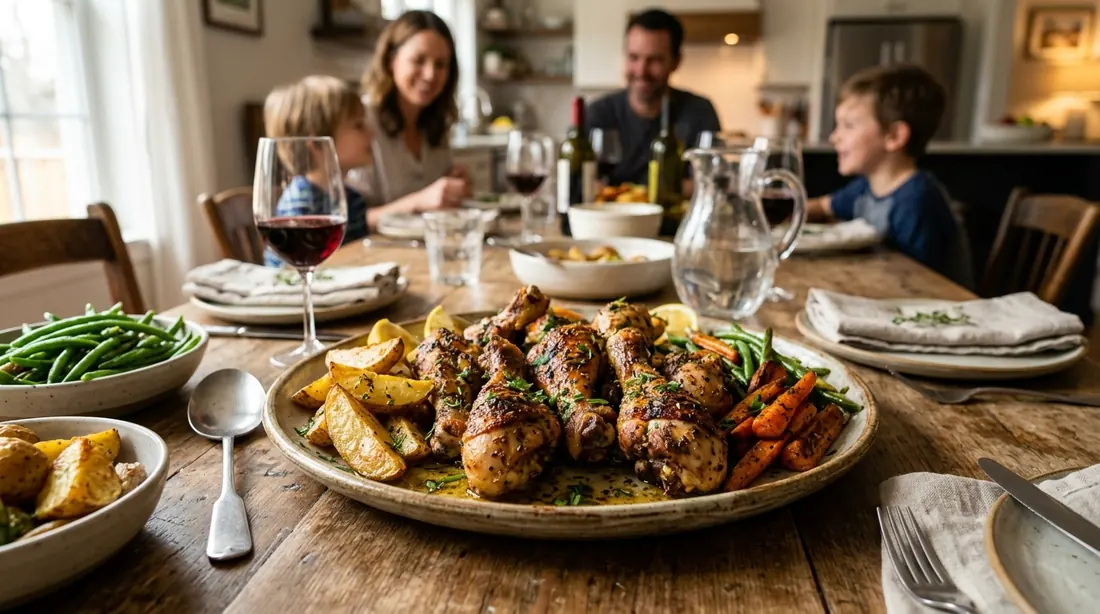
Easy Chicken Dinner Recipes for the Whole Family is a practical guide to making food that suits everyday life. Each idea is designed to turn ordinary ingredients into something worth sitting down for. You will find specific combinations, easy-to-follow methods and ways to adjust the results without losing what makes them enjoyable. Use the ideas as an invitation to cook, not a demand to prepare everything at once. Start with one that matches the ingredients, equipment and time you have. As you work through the options, pay attention to texture, seasoning and sensible food handling; those details matter more than elaborate presentation.
Build flavor without overcomplicating dinner for easy chicken dinner recipes
Satisfying lunches and dinners usually start with a clear technique: roasting to concentrate sweetness, simmering for tenderness or sautéing for quick browning. Match that technique to the ingredient instead of making every dish the same way. Think of lemon herb roast chicken thighs and honey mustard chicken tray as two different starting points within this topic.
Choose sides and finishing touches that balance the main dish. A squeeze of citrus, something crunchy or a handful of herbs can make a familiar supper feel complete without another elaborate recipe. For instance, creamy garlic chicken skillet gives another practical direction to explore.
Lemon herb roast chicken thighs
There is a satisfying simplicity to lemon herb roast chicken thighs. Start here: rub chicken thighs with lemon, garlic, oregano and oil and roast with potatoes. You can make the result feel different with one considered finishing touch.
With lemon herb roast chicken thighs, a useful habit is to prepare deliberately. If you are cooking for several people, prepare the base first and offer fresh toppings at the table. That lets diners adjust acidity, crunch and heat without making separate dishes. For poultry, rely on safe internal temperature rather than color alone; avoid returning utensils used on raw meat to ready-to-eat food.
Honey mustard chicken tray
One practical way to approach honey mustard chicken tray is straightforward: brush thighs with mustard and a little honey and roast alongside carrots and red onions. It rewards keeping the most flavorful ingredients clear and uncomplicated. For a full plate, think about a satisfying main component and one contrasting side. A salad, cooked greens, rice or crusty bread may be all you need.
With honey mustard chicken tray, a useful habit is to prepare deliberately. Think about serving temperature early: some foods are best hot from the pan, while others benefit from a short rest that settles the texture and makes portions easier to arrange. For poultry, rely on safe internal temperature rather than color alone; avoid returning utensils used on raw meat to ready-to-eat food.
Creamy garlic chicken skillet
Put creamy garlic chicken skillet on the menu when you want a clear, manageable process: brown chicken pieces, then simmer gently in stock with mushrooms and a little cream. You do not need an elaborate setup; a reliable pan, board and a few basic utensils are enough.
With creamy garlic chicken skillet, a useful habit is to prepare deliberately. If an ingredient is unavailable, swap it for one with a similar job: leafy greens for leafy greens, a tender bean for another bean, or a comparable seasonal fruit. For poultry, rely on safe internal temperature rather than color alone; avoid returning utensils used on raw meat to ready-to-eat food.
Chicken fajita rice bowls
The appeal of chicken fajita rice bowls is in the combination of flavors and texture: sauté chicken strips with peppers and cumin, then add rice, salsa and avocado. The dish is most appealing when each component is cooked for the time it actually needs. For a full plate, think about a satisfying main component and one contrasting side. A salad, cooked greens, rice or crusty bread may be all you need.
With chicken fajita rice bowls, a useful habit is to prepare deliberately. When a recipe calls for browning, give the ingredients enough space and let them sit briefly before stirring. Color creates depth, but turning the heat too high can burn aromatics. For poultry, rely on safe internal temperature rather than color alone; avoid returning utensils used on raw meat to ready-to-eat food.
Tomato basil baked chicken
For a dependable version of tomato basil baked chicken, follow this sequence: nestle chicken breasts into tomato sauce, scatter mozzarella and finish in the oven. Little adjustments in moisture and seasoning make a surprisingly noticeable difference.
With tomato basil baked chicken, a useful habit is to prepare deliberately. Keep the first attempt straightforward and note how long it takes in your kitchen. Once you know the core method, changing the vegetables or seasoning is much easier. For poultry, rely on safe internal temperature rather than color alone; avoid returning utensils used on raw meat to ready-to-eat food.
Ginger sesame chicken noodles
For ginger sesame chicken noodles, the key is to keep the method clear: stir-fry chicken strips with broccoli, noodles and a ginger-soy glaze. Think of the method as a foundation you can adapt, not a rigid formula. For a full plate, think about a satisfying main component and one contrasting side. A salad, cooked greens, rice or crusty bread may be all you need.
With ginger sesame chicken noodles, a useful habit is to prepare deliberately. The best texture usually comes from timing. Start the ingredient that takes longest, then add delicate or already cooked elements only when they need warming through. For poultry, rely on safe internal temperature rather than color alone; avoid returning utensils used on raw meat to ready-to-eat food.
Chicken and white bean soup
There is a satisfying simplicity to chicken and white bean soup. Start here: simmer cooked chicken with white beans, carrots and lemon in a light broth. It is worth preparing the accompaniments before the main element is ready.
With chicken and white bean soup, a useful habit is to prepare deliberately. For leftovers, portion the food into shallow containers, cool and refrigerate promptly, and label what you plan to freeze. Reheat only as appropriate for the ingredients. For poultry, rely on safe internal temperature rather than color alone; avoid returning utensils used on raw meat to ready-to-eat food.
Crispy oven chicken tenders
One practical way to approach crispy oven chicken tenders is straightforward: coat chicken strips in seasoned breadcrumbs and bake on a rack until fully cooked. The idea can scale up for company or down for a single serving with modest changes. For a full plate, think about a satisfying main component and one contrasting side. A salad, cooked greens, rice or crusty bread may be all you need.
With crispy oven chicken tenders, a useful habit is to prepare deliberately. Before you begin, read the short method once and gather the ingredients on the counter. That tiny bit of preparation makes it easier to cook confidently and notice what the pan needs. For poultry, rely on safe internal temperature rather than color alone; avoid returning utensils used on raw meat to ready-to-eat food.
Chicken pesto pasta
Put chicken pesto pasta on the menu when you want a clear, manageable process: toss cooked chicken and pasta with pesto, peas and a splash of cooking water. It also provides a useful way to make familiar ingredients feel fresh.
With chicken pesto pasta, a useful habit is to prepare deliberately. A sensible shortcut is the one that saves work without losing the heart of the dish. Frozen vegetables, cooked beans and shop-bought pantry staples can all play a useful role. For poultry, rely on safe internal temperature rather than color alone; avoid returning utensils used on raw meat to ready-to-eat food.
Coconut chicken curry
The appeal of coconut chicken curry is in the combination of flavors and texture: poach bite-size chicken pieces in a gentle coconut curry sauce with vegetables. What makes this useful is its straightforward sequence rather than any special equipment. For a full plate, think about a satisfying main component and one contrasting side. A salad, cooked greens, rice or crusty bread may be all you need.
With coconut chicken curry, a useful habit is to prepare deliberately. Choose a pan or bowl that gives you room to mix without spilling. Crowding makes it harder to judge moisture and texture, especially when adding several ingredients. For poultry, rely on safe internal temperature rather than color alone; avoid returning utensils used on raw meat to ready-to-eat food.
Shredded chicken flatbreads
For a dependable version of shredded chicken flatbreads, follow this sequence: pile warm shredded chicken, cucumber and yogurt sauce into soft flatbreads. It is an especially forgiving choice when the ingredients vary a little from week to week.
With shredded chicken flatbreads, a useful habit is to prepare deliberately. Use the quantities as a guide, especially with vegetables that vary in size or ripeness. Taste midway, then decide whether the dish wants a little more salt, acidity or sweetness. For poultry, rely on safe internal temperature rather than color alone; avoid returning utensils used on raw meat to ready-to-eat food.
Chicken and broccoli casserole
For chicken and broccoli casserole, the key is to keep the method clear: combine cooked chicken, broccoli and rice in a light creamy sauce before baking. The central skill is judging texture as you work, rather than following the clock without looking. For a full plate, think about a satisfying main component and one contrasting side. A salad, cooked greens, rice or crusty bread may be all you need.
With chicken and broccoli casserole, a useful habit is to prepare deliberately. Build contrast deliberately. A creamy base benefits from a crisp garnish, a rich filling from lemon or vinegar, and a mild dish from a fresh herb or spice. For poultry, rely on safe internal temperature rather than color alone; avoid returning utensils used on raw meat to ready-to-eat food.
Chicken dinners with room to improvise
The useful thing about easy chicken dinner recipes for the whole family is not that you must try all the ideas at once. Choose the lemon herb roast chicken thighs or honey mustard chicken tray that fits your routine, make it once as written, and then change a detail you understand. That kind of repetition builds confidence while keeping food interesting. Consider noting the adjustments that worked, particularly cooking times, moisture and the final balance of flavors.
For another angle on the same part of the kitchen, explore flavorful vegetarian dinners for meat-free mondays. It offers a natural next step without requiring a completely different shopping list. Above all, keep room for taste, curiosity and flexibility: the most useful recipe is the one you will genuinely enjoy preparing and eating.
Questions to consider when exploring easy chicken dinner recipes for the whole family
How can I prevent food from tasting bland?
Build flavor in stages: season early enough for ingredients to absorb it, taste again near the end, then consider an acidic or fresh finishing ingredient. Cooking vegetables until properly browned also helps. One useful example here is coconut chicken curry, which you can adjust using the principles above.
Which components are good for making ahead?
Cooked grains, sauces, roasted vegetables and some proteins can be prepared beforehand if cooled and stored safely. Keep crisp garnishes and dressed greens separate until serving. One useful example here is shredded chicken flatbreads, which you can adjust using the principles above.
How do I adjust these dishes for my family?
Serve the common base with toppings on the table so people can choose extra spice, herbs, cheese or other accompaniments. Keep food allergies and safe cooking requirements in mind. One useful example here is chicken and broccoli casserole, which you can adjust using the principles above.